Our comprehensive in-house expertise and technologies have ensured that Vexila is the market leader in the field of overhead electrical infrastructure products on the African continent.
Vexila prides itself on operating an innovative, vertically integrated manufacturing facility, equipped with efficient in-house processes and technologically driven equipment. Key manufacturing facilities, situated in Pietermaritzburg, the capital city of Kwazulu-Natal, South Africa, include: Silicone rubber injection moulding; Gravity cast aluminium and ductile iron foundries; Helical wireform production plant; Fibreglass reinforced polymer core pultrusion plant; and state of the art tool and die development and manufacturing facility.
The Ductile Iron foundry has the capacity to manufacture, on average, 30 tons of Spheroidal Graphite (SG) Iron per month.
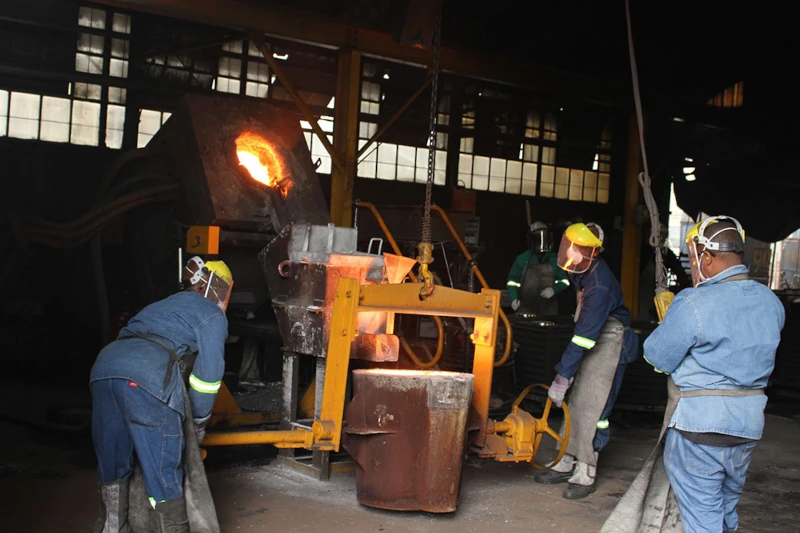
SG Foundry operators transferring the molten ductile iron from the tilting furnace to the holding furnace, in preparation for casting
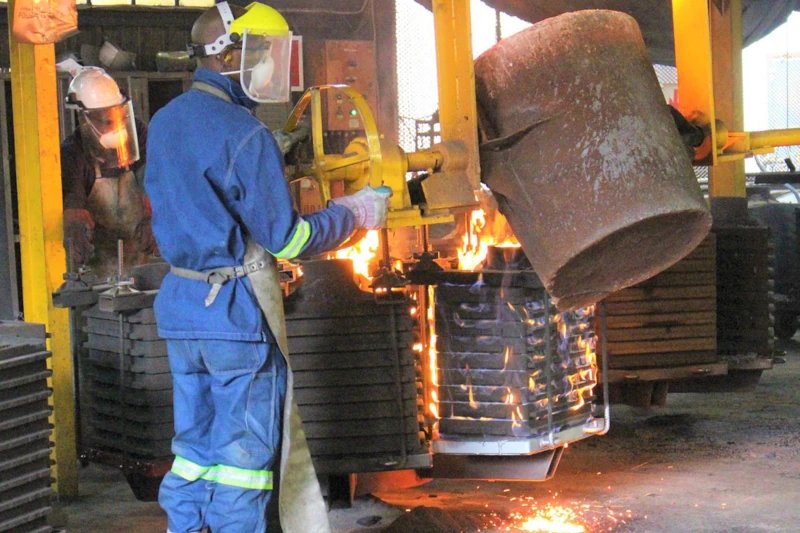
Pouring of the molten metal into the stacked sand-biscuit moulds.
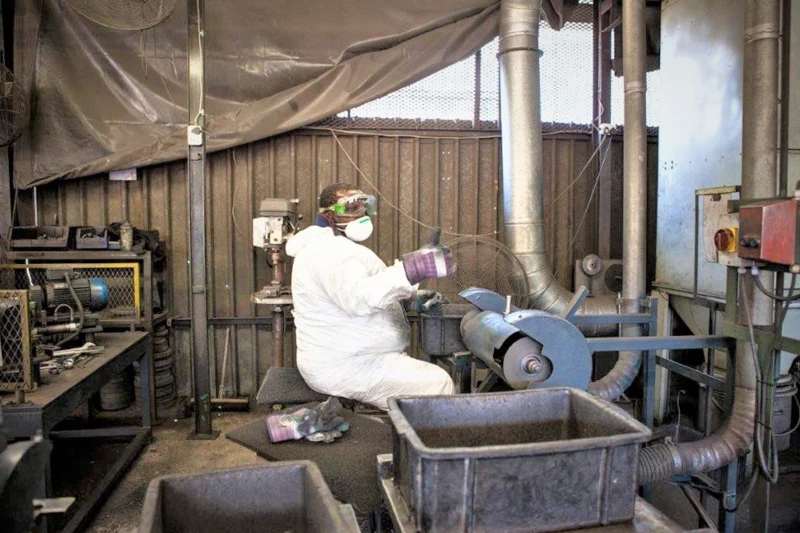
SG foundry operator removing excess material, referred to as “flash”, on the cast components. This process is called fettling and carried out using a grinding wheel. Fettling of components requires skilled operators to ensure that the products are dimensionally consistent.
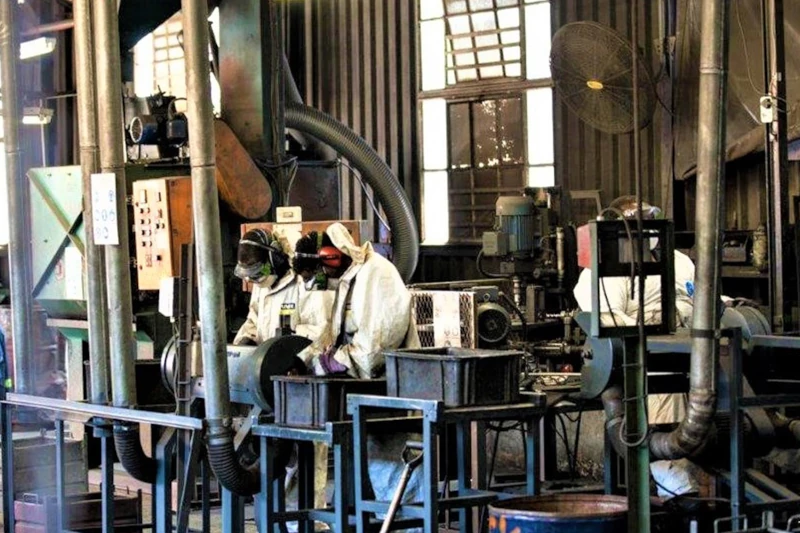
SG Foundry post-casting production cell. Here fettling and drilling of the components are carried out.
The Aluminium foundry has the capacity to manufacture, on average, 60 tons of grade LM6 aluminium per month.
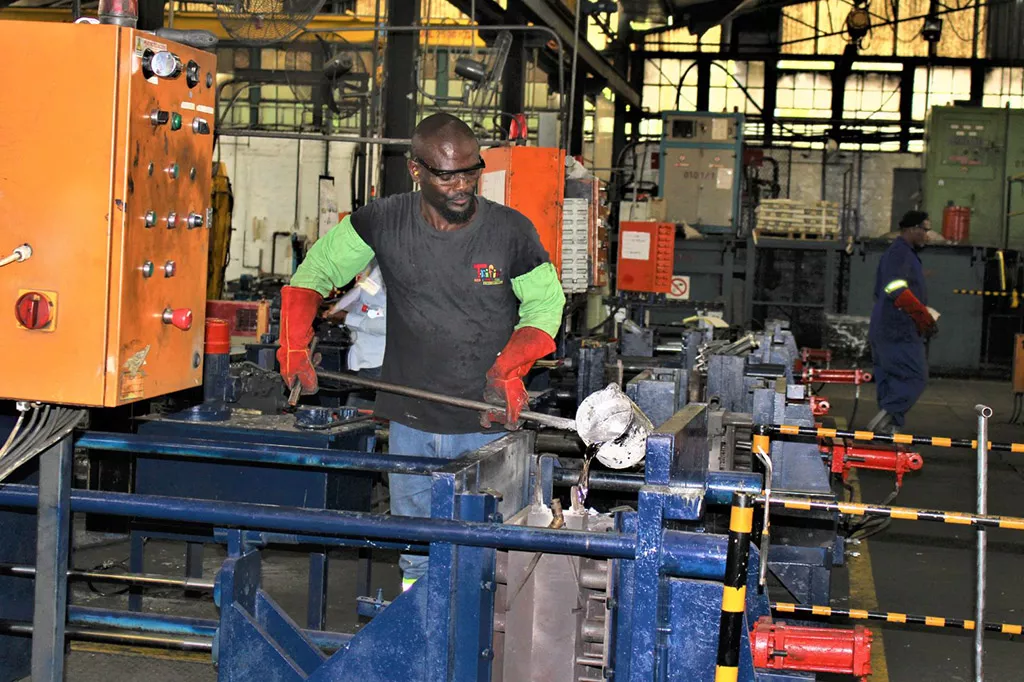
Aluminium Foundry operators transferring the molten aluminium to a mould.
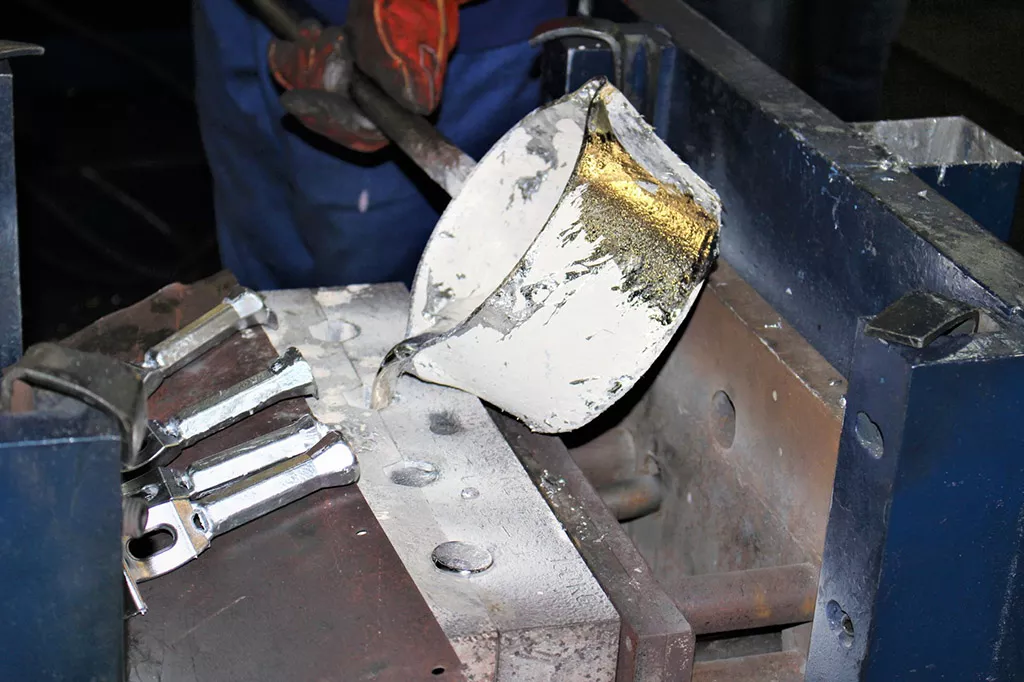
Molten Aluminium being poured into the mould
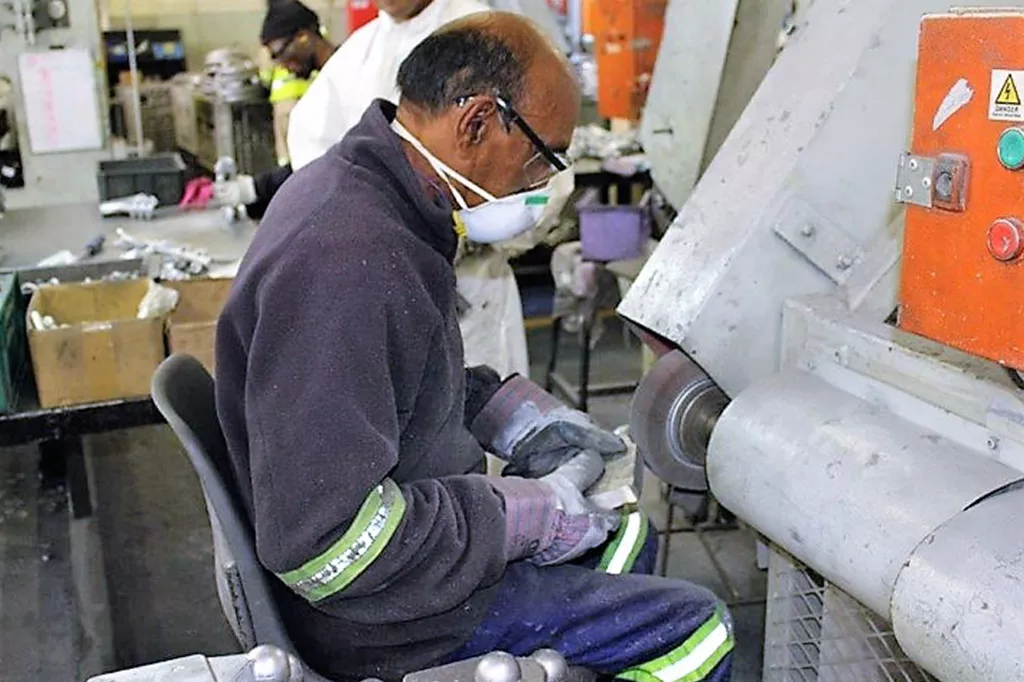
Aluminium foundry operator fettling off “flash”, post casting.
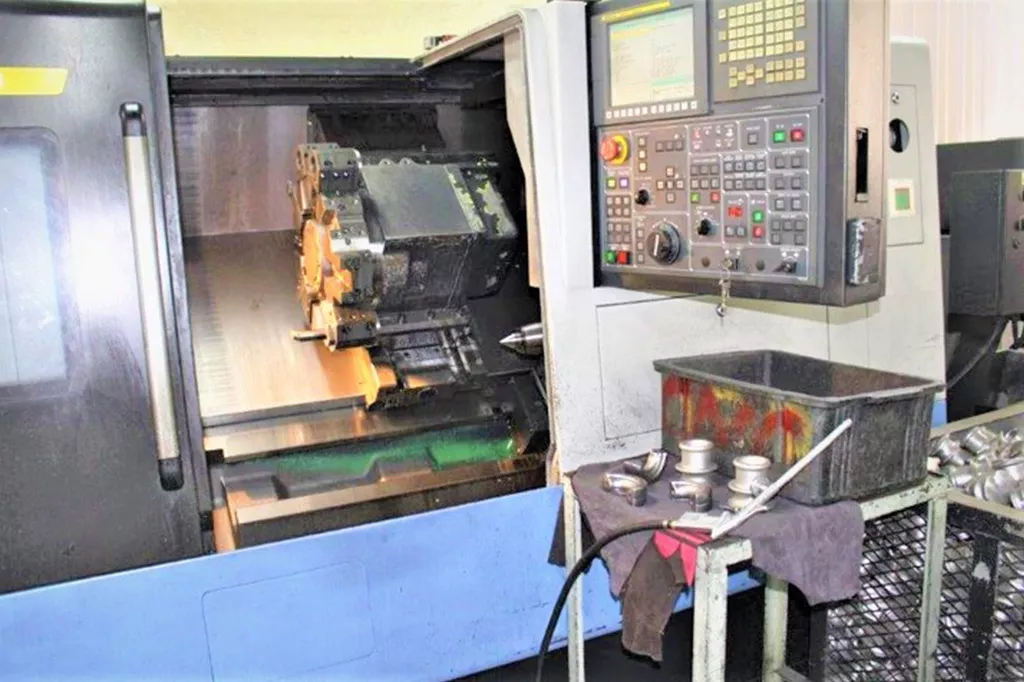
CNC machines in the Aluminium foundry used for machining cast aluminium, and ductile iron components as well as other steel work.
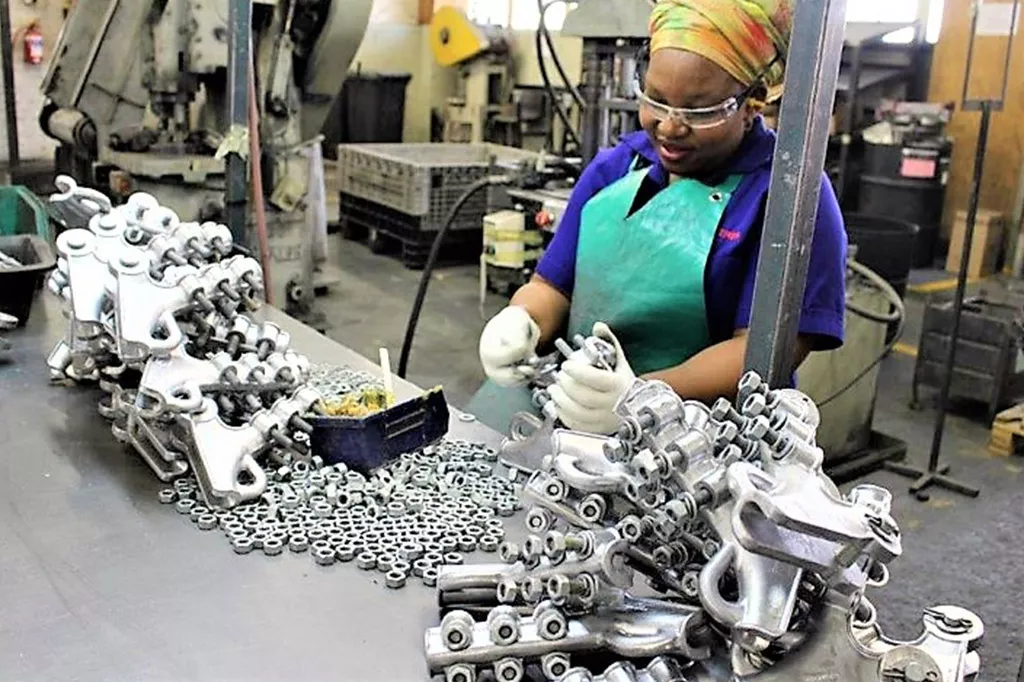
Aluminium foundry operator completing a pistol grip assembly.
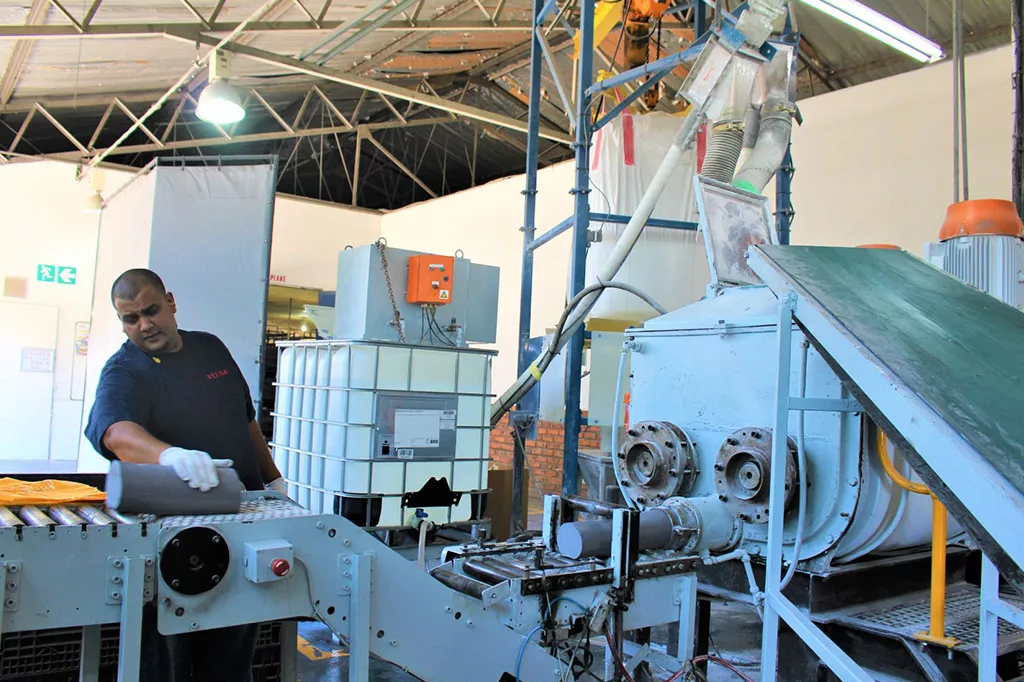
Vexila manufactures various HTV silicone blends in-house. This entails combining raw materials which include silicone, filler materials as well as other critical ingredients that make the various composite rubber blends. This is achieved by use of blending machinery, decanting systems and finally extrusion machinery. The silicone blending plant has the capacity to produce, on average 80 tons of HTV Silicone per month meeting both HV and MV product requirements.
In-house fibreglass reinforced polymer core pultrusion plant which is able to produce from Ø3mm –Ø63.5mm FRP cores. These are produced in both Epoxy resin and Polyester resin variations.
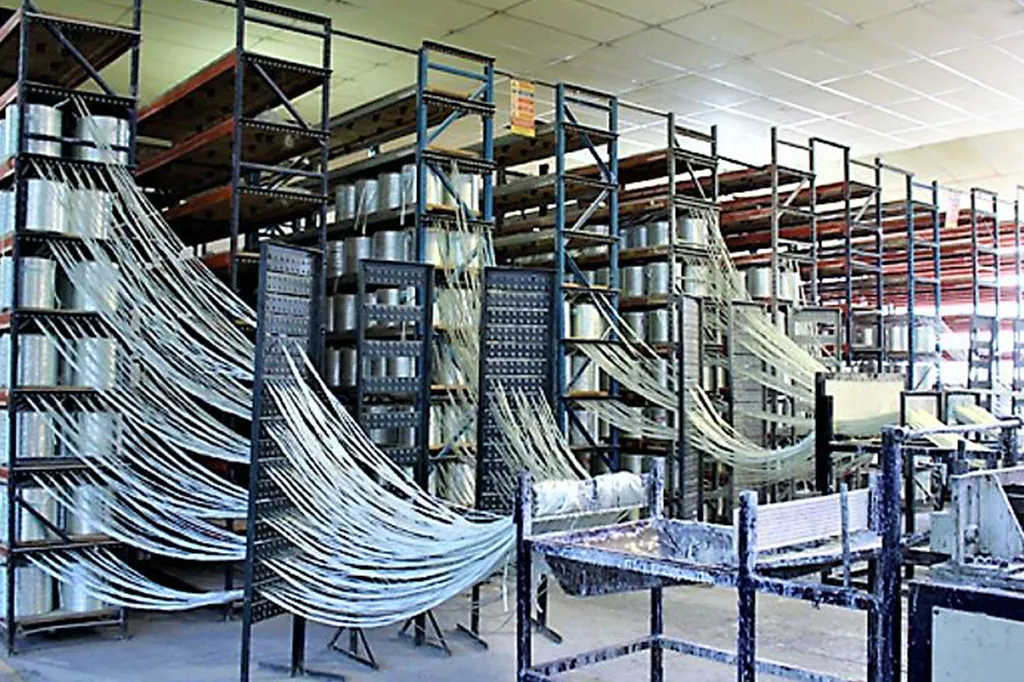
Glass fiber strands bundled together to form the various diameter FRP cores. Then impregnated with either polyester resin or epoxy resin.
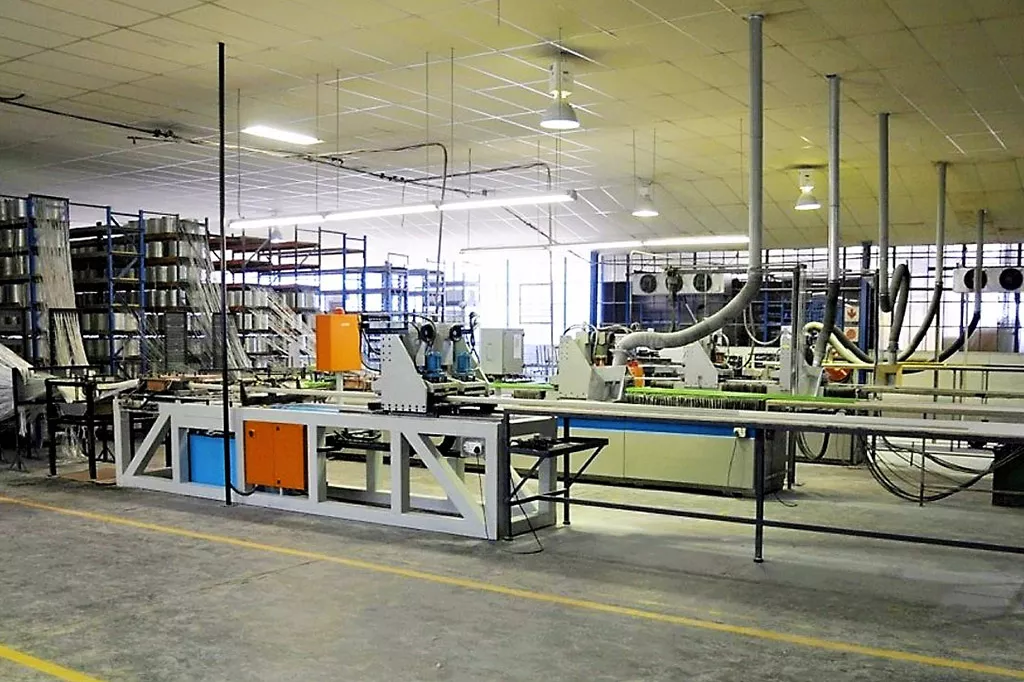
After the strands are impregnated with resin, they are pulled through a heated die. Here the resin undergoes polymerisation, this entire process is referred to as pultrusion.
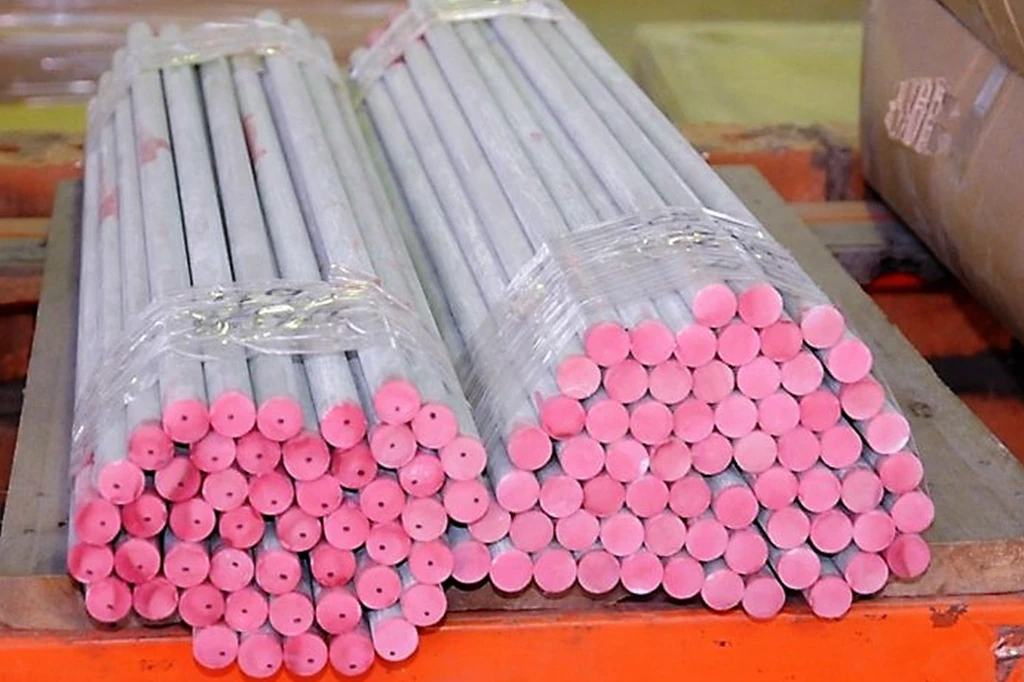
FRP rods, cut to length awaiting further processing into FRP cores for Vexila’s composite insulators.
In-house fibreglass reinforced polymer core pultrusion plant which is able to produce from Ø3mm –Ø63.5mm FRP cores. These are produced in both Epoxy resin and Polyester resin variations.
Glass fiber strands bundled together to form the various diameter FRP cores. Then impregnated with either polyester resin or epoxy resin.
After the strands are impregnated with resin, they are pulled through a heated die. Here the resin undergoes polymerisation, this entire process is referred to as pultrusion.
FRP rods, cut to length awaiting further processing into FRP cores for Vexila’s composite insulators.
Our production plant has fifteen (15) Rubber injection moulding machines which permits us to cater to high-volume production. This plant has the ability to produce both HV and MV composite insulators including fuse cutout products (drop-out expulsion fuse.)
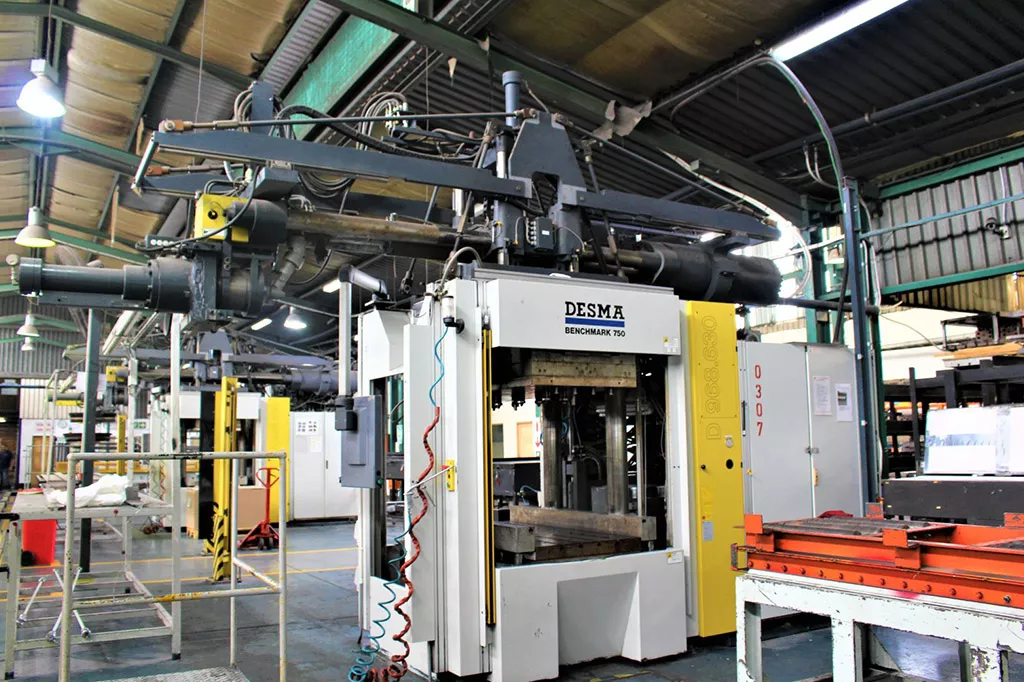
German designed Desma moulding machine. Ability to mould composite insulators ranging from 11kV to 765 kV.
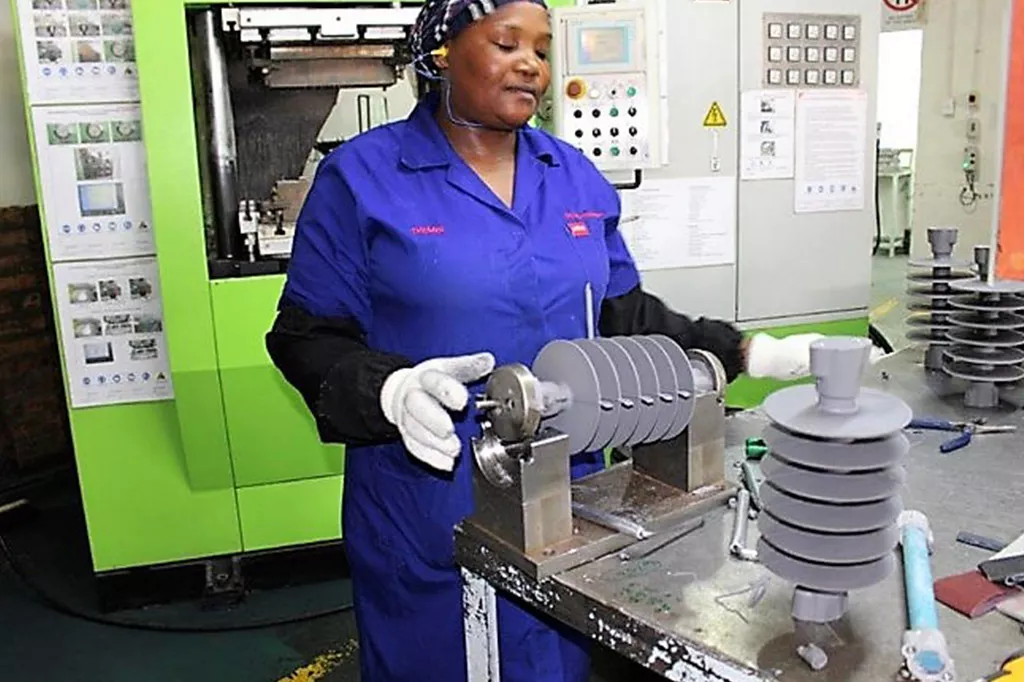
Chinese designed Yizumi moulding machine. Ability to mould composite insulators for the fuse cutout composite insulator products ranging from 11kV to 33 kV.
FRP rods, cut to length awaiting further processing into FRP cores for Vexila’s composite insulators.
Helical Wireform production plant produces both aluminium and steel formed products, catering to the electrical distribution hardware market. The uses thereof include dead-ends, ties, armour rods. The equipment used in the manufacture consists of:
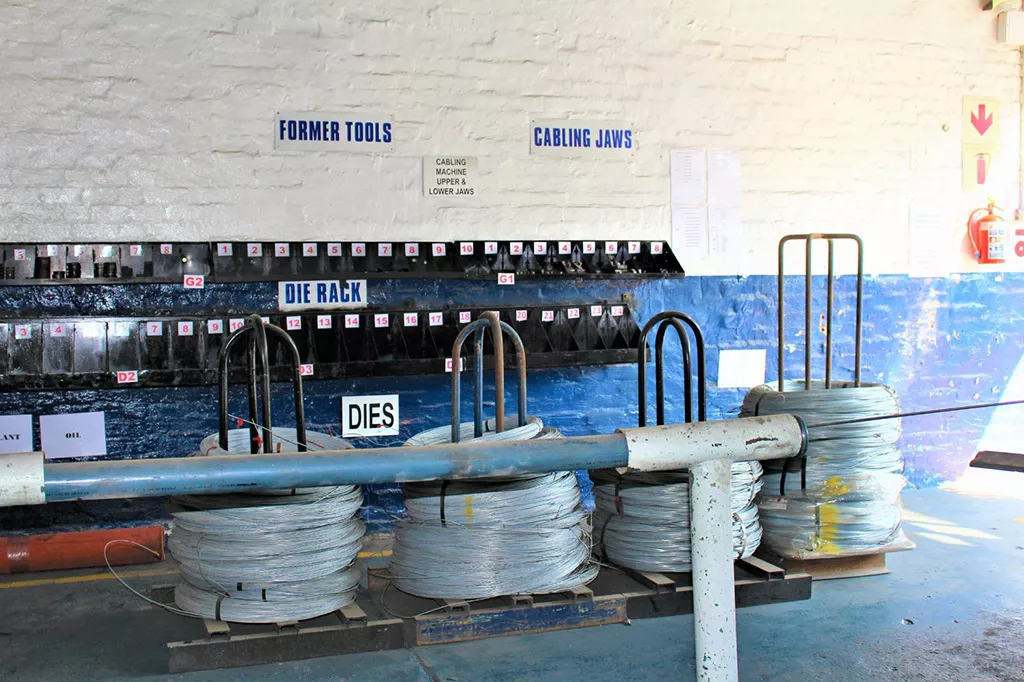
Coils of wire before they are drawn through the helical wire forming machine.
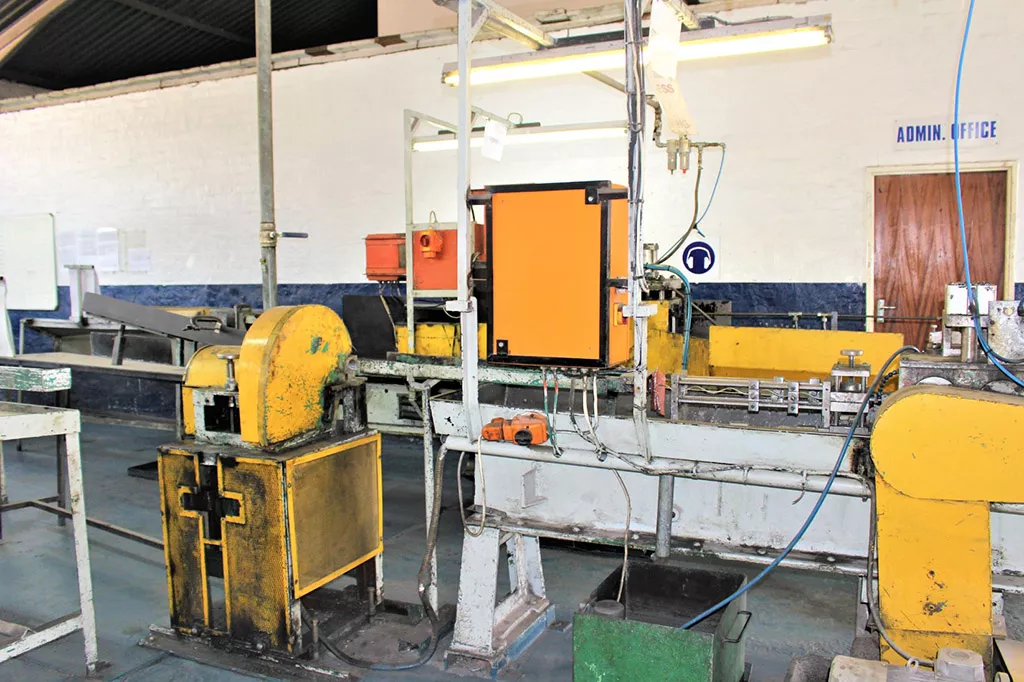
The Helical wire forming machinery used to form aluminium and HDG steel wire products.
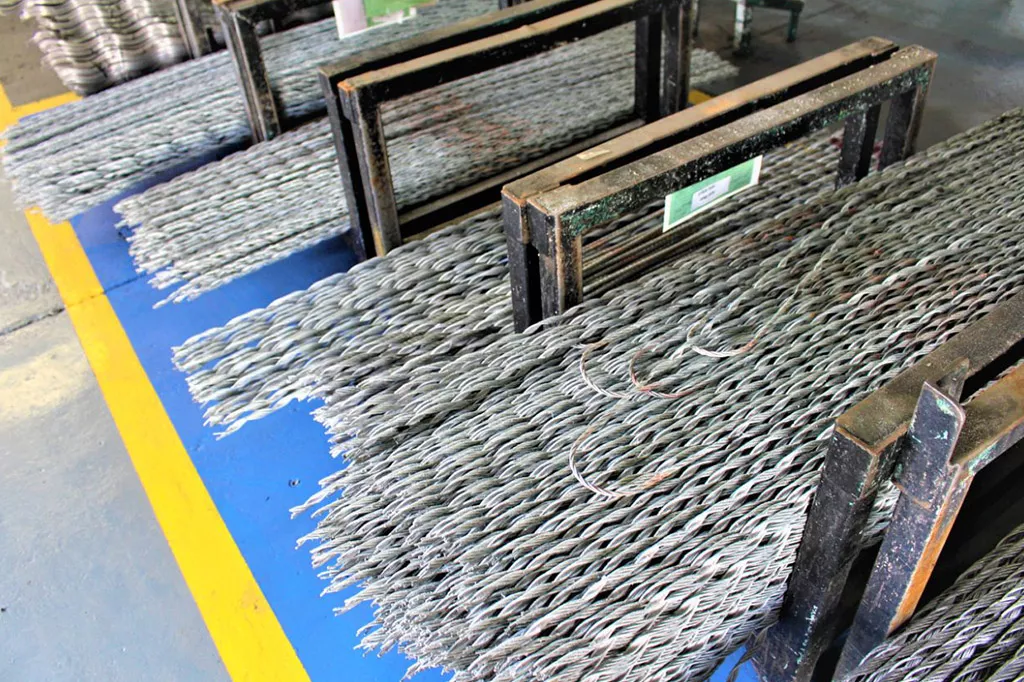
Formed wire products.
Comprises of cutting, bending, welding of steel (both mild and stainless variations) brass and copper. Equipment used in these manufacturing processes include:
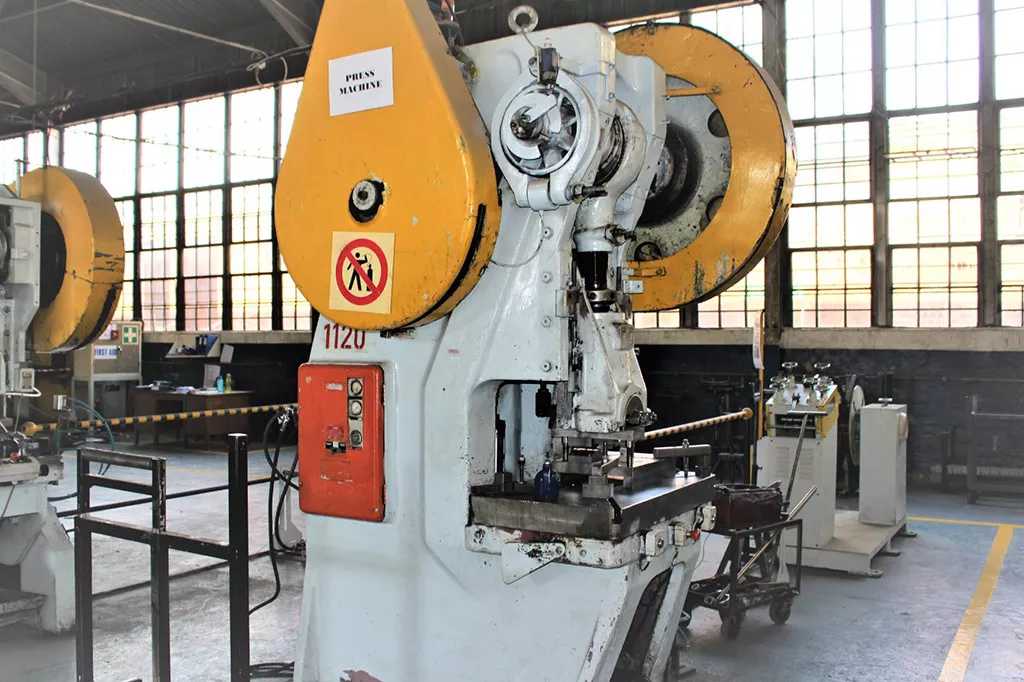
Across the various manufacturing divisions, final stage assembling of products is carried out which includes the assembly of:
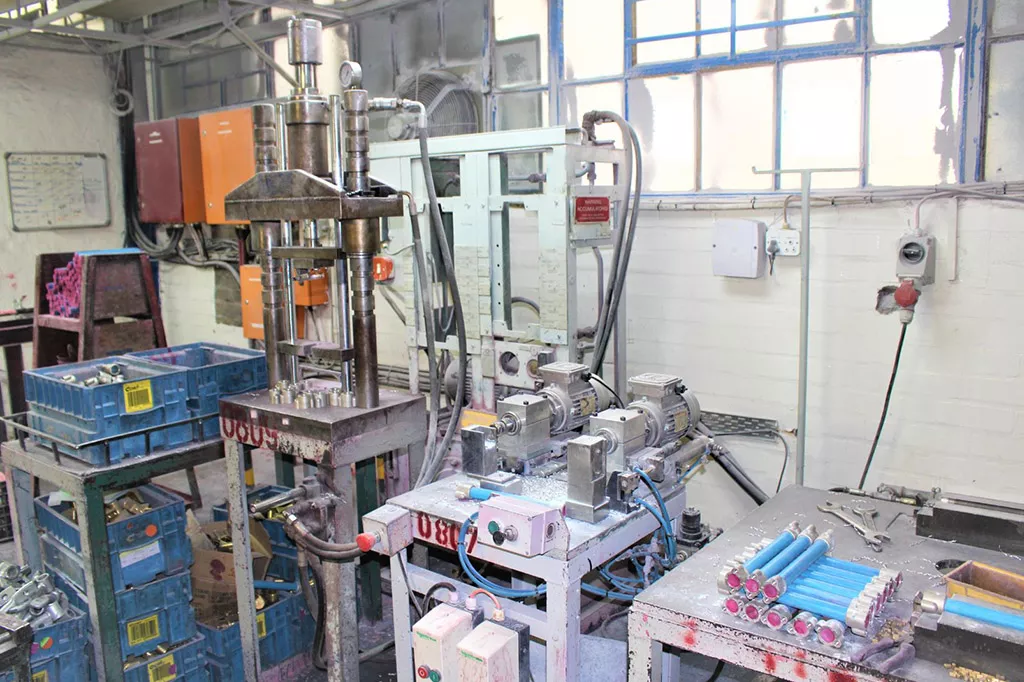
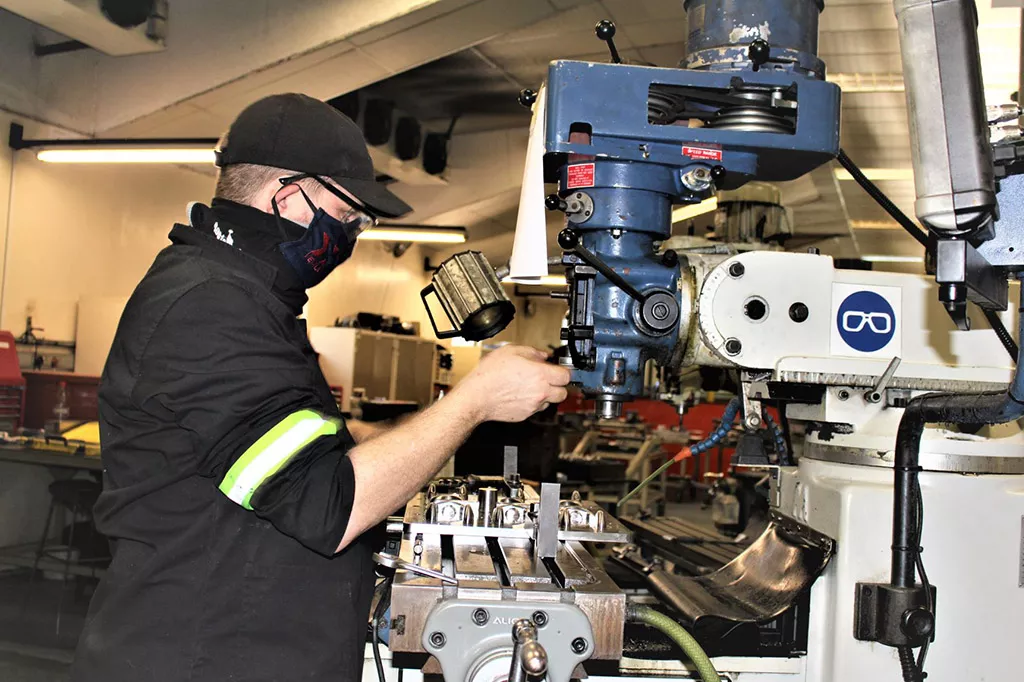
Vexila is home to a state-of-the-art toolroom which consists of a team of trained artisans, CNC operators as well as tool designers.
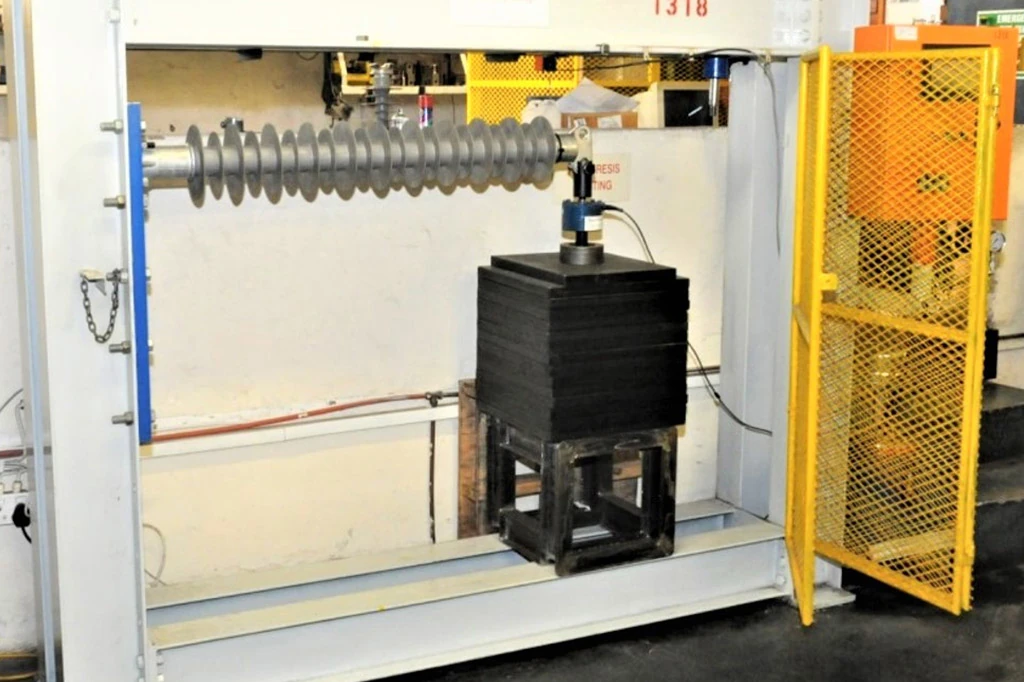
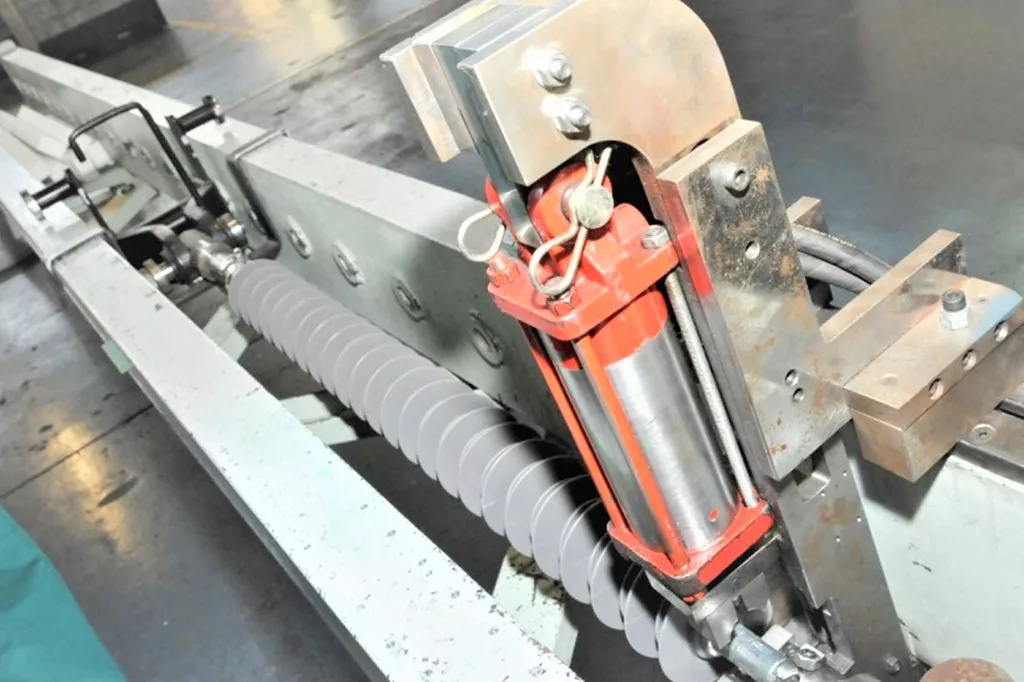
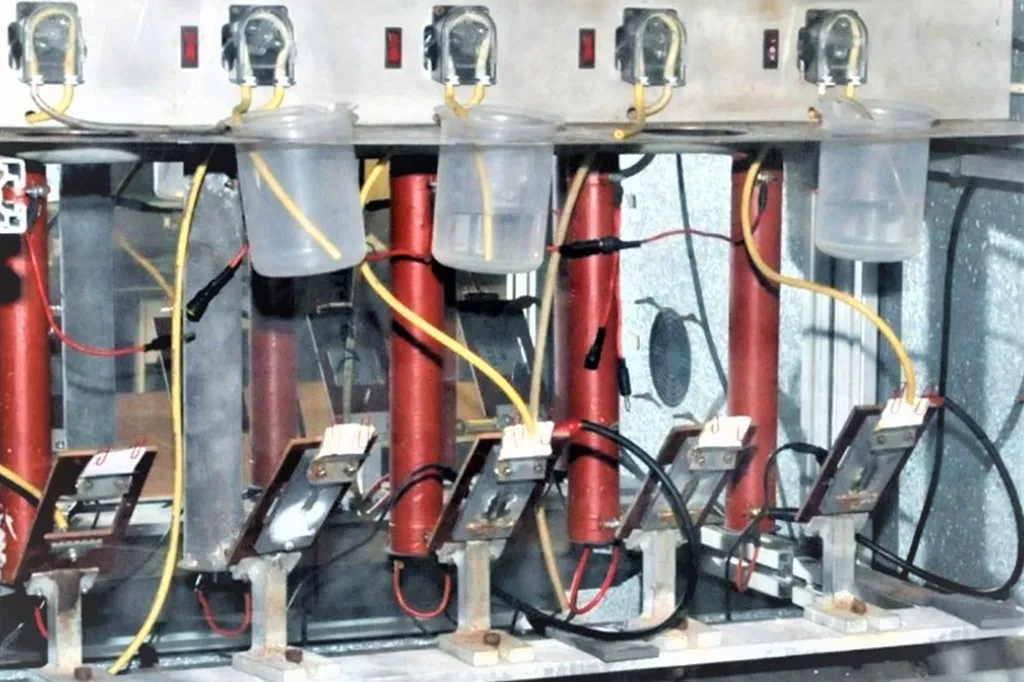
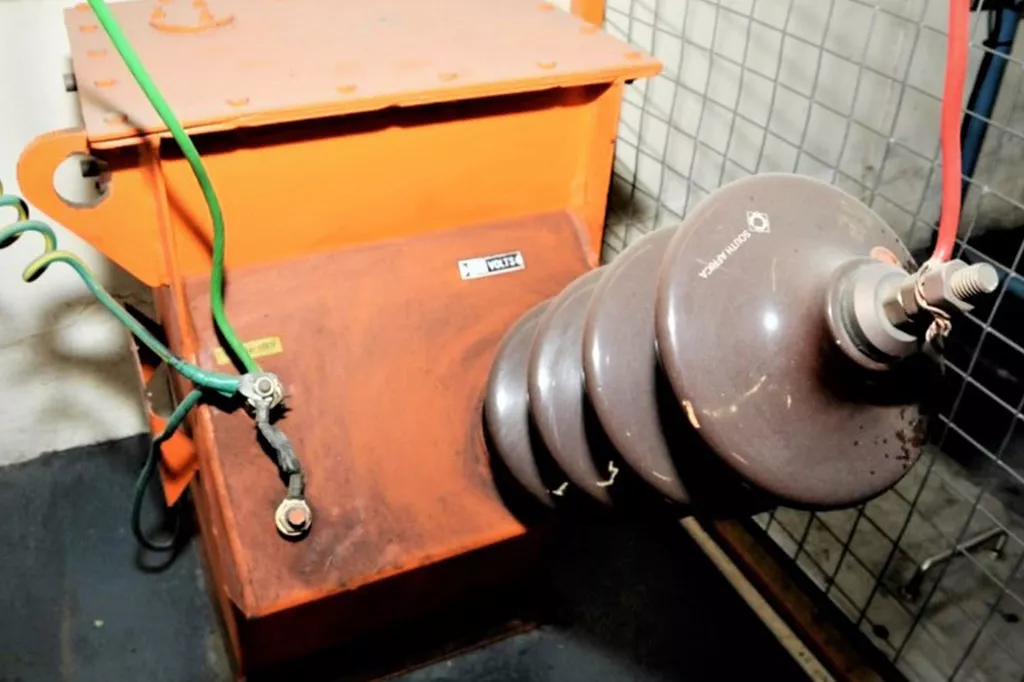
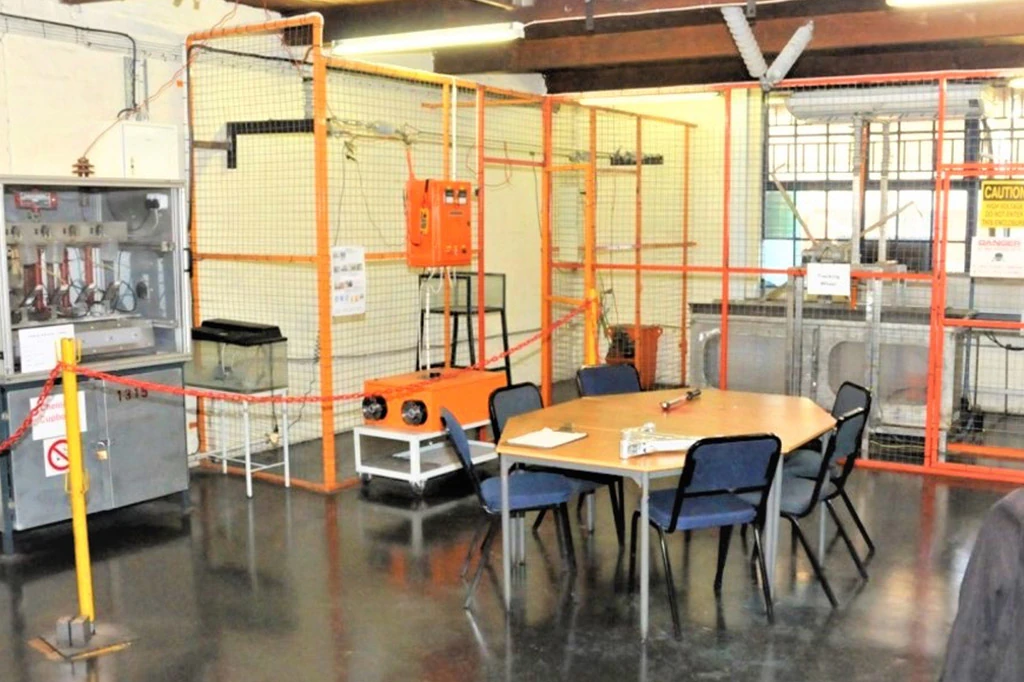
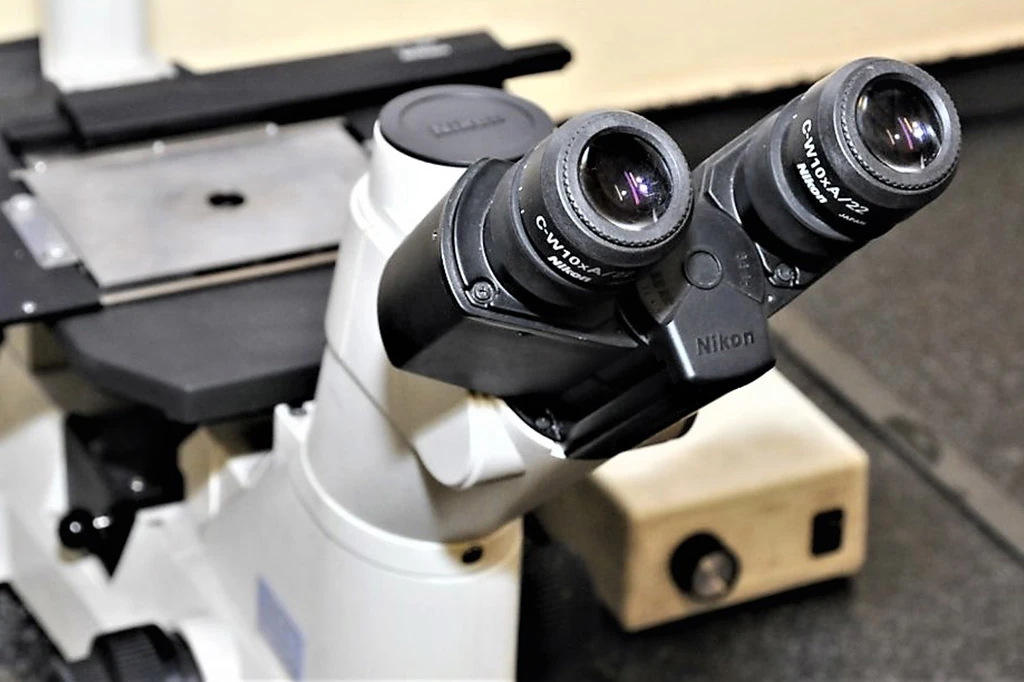
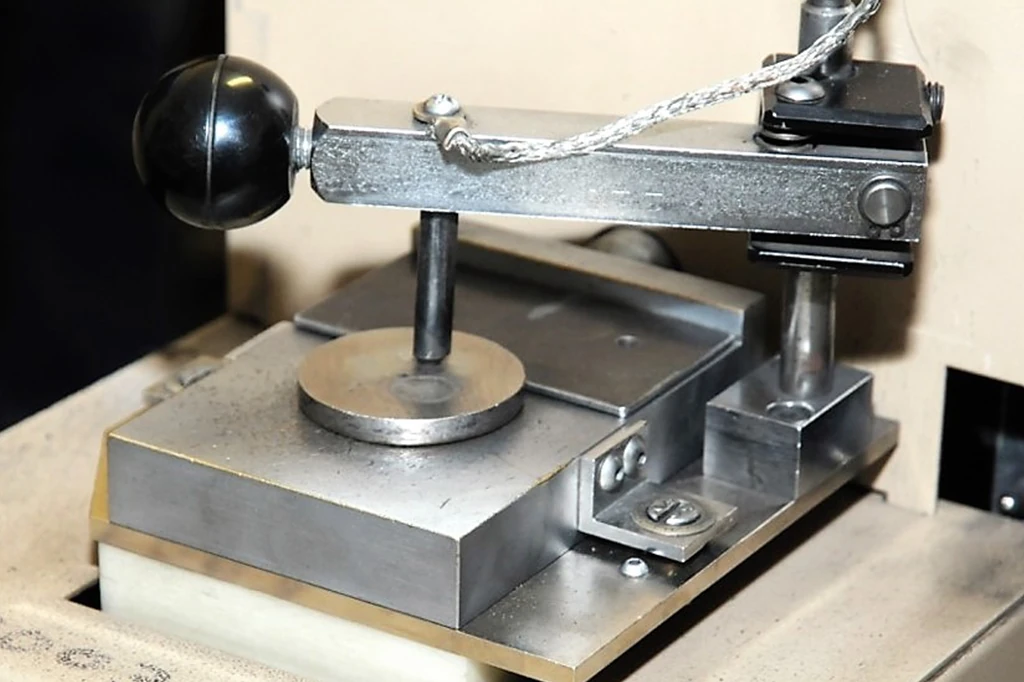
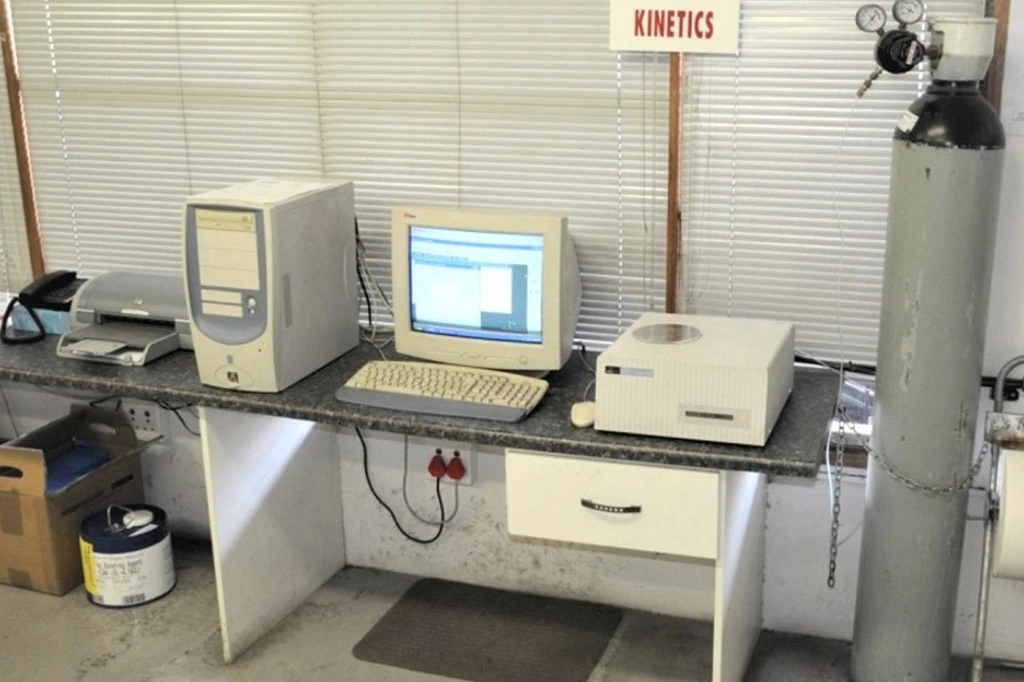
Four (4) on-site laboratories are available to test, inspect and/or analyse incoming raw materials, in-house product testing and finished goods inspection: